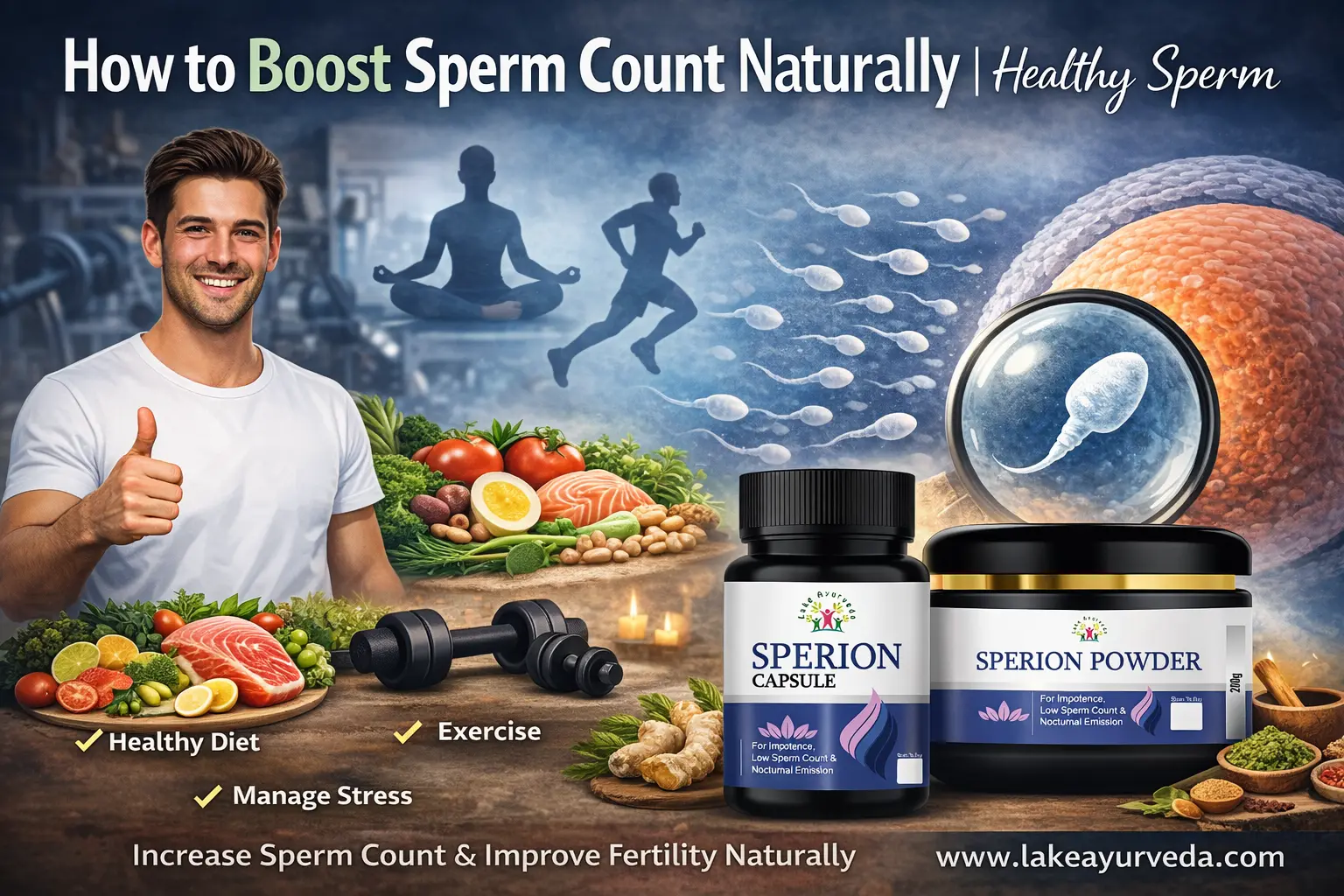
Low sperm count is a common concern among men worldwide and a leading cause of infertility. Studies indicate that male factors contribute to nearly half of all infertility cases, and poor sperm health can affect more than just fertility—it can signal broader health issues.
The good news? You can boost sperm count naturally through diet, lifestyle changes, stress management, and Ayurvedic remedies. This guide covers everything you need to know about increasing sperm count and promoting healthy sperm.
Understanding Sperm Count and Healthy Sperm
Healthy sperm isn’t just about quantity. It also depends on:
Motility: The ability of sperm to move efficiently toward an egg
Morphology: The shape and structure of sperm; abnormal shapes can reduce fertility
Volume: Total ejaculate matters because higher semen volume carries more sperm
Normal sperm count: 15 million sperm per milliliter or higher
Low sperm count: Less than 15 million/mL
Severely low sperm count: Less than 5 million/mL
Maintaining healthy sperm is essential for fertility, reproductive health, and hormonal balance.
Why Sperm Count Matters
Sperm count plays a pivotal role in male fertility for several reasons:
Fertilization Probability
Higher sperm counts increase the likelihood that at least one sperm reaches and fertilizes the egg.
Indicator of Health
Low sperm count can indicate:
- Hormonal imbalances (e.g., low testosterone)
- Nutritional deficiencies (zinc, selenium, vitamin D)
- Chronic stress or lifestyle issues
- Environmental toxicity
Emotional and Psychological Impact
Infertility can cause stress, anxiety, and lowered self-esteem. Improving sperm health often improves confidence and overall well-being.
Common Causes of Low Sperm Count
Lifestyle Factors
Smoking and alcohol: Reduce sperm production and motility
Excess stress: Chronic cortisol elevation suppresses testosterone
Poor sleep: Disrupts hormone regulation
Sedentary lifestyle: Impairs circulation and reproductive hormone levels
Dietary Deficiencies
- Zinc and selenium for sperm formation
- Vitamin C and E to protect sperm DNA
- Omega-3 fatty acids for motility
Environmental Factors
- Saunas, hot tubs, tight clothing
- Industrial chemicals, pesticides, heavy metals
- Prolonged exposure to laptops on lap or direct heat
Medical and Genetic Factors
- Hormonal imbalances (hypogonadism, low testosterone)
- Varicocele (enlarged veins in the scrotum)
- Infections (STIs, urinary tract infections)
- Genetic disorders (Klinefelter syndrome, Y-chromosome deletions)
Common Myths About Sperm Count
Myth 1: Tight underwear permanently reduces sperm count
Fact: Temporary heat may reduce sperm production, but it doesn’t cause permanent infertility.
Myth 2: Frequent ejaculation reduces fertility
Fact: Regular ejaculation can improve sperm quality by clearing older sperm and stimulating production.
Myth 3: Supplements alone increase sperm count
Fact: Supplements are supportive, but diet, lifestyle, and medical guidance are essential.
How to Boost Sperm Count Naturally
Foods That Increase Sperm Count
Nutrition is a powerful tool for male fertility. Eating the right foods provides essential nutrients for healthy sperm.
Antioxidant-Rich Foods
Oxidative stress damages sperm DNA and reduces motility. Antioxidants neutralize free radicals.
Berries: Blueberries, strawberries, raspberries
Pomegranate: Enhances motility and reduces oxidative stress
Dark chocolate: Rich in flavonoids; eat in moderation
Walnuts: Contain omega-3 fatty acids and antioxidants
Tip: Include a handful of berries or walnuts in your breakfast for daily antioxidant support.
Zinc-Rich Foods
Zinc is crucial for sperm production and testosterone levels.
- Oysters (highest natural source)
Pumpkin seeds - Lentils and chickpeas
- Red meat and poultry
Pro tip: Zinc deficiency is linked to low sperm count, so make it a daily priority.
Vitamin C & E
These vitamins protect sperm from oxidative damage and improve motility.
- Citrus fruits (oranges, lemons, grapefruit)
- Kiwi and guava
- Almonds and sunflower seeds
- Spinach and kale
Fun fact: Vitamin C also prevents sperm clumping, improving fertility chances.
Omega-3 Fatty Acids
Essential for sperm motility and membrane fluidity.
- Fatty fish (salmon, sardines, mackerel)
- Flaxseeds and chia seeds
Walnuts
Tip: Aim for 2–3 servings of omega-3 rich foods per week.
Folate-Rich Foods
Folate supports DNA synthesis in sperm.
- Leafy greens: Spinach, kale
- Avocado
- Lentils and chickpeas
- Broccoli
Note: Folate deficiency may contribute to chromosomal abnormalities in sperm.
Quality Sleep
Sleep regulates hormones like testosterone.
- Aim for 7–8 hours per night
- Maintain a consistent sleep schedule
- Sleep in a cool, dark environment
Avoid Excess Heat
Heat damages sperm production.
- Limit saunas, hot tubs, and laptops on lap
- Wear breathable cotton underwear
Natural Supplements and Herbs
Supplements can enhance natural fertility, especially when dietary intake is insufficient.
- Coenzyme Q10 (CoQ10): Boosts sperm motility
- L-Carnitine: Supports sperm energy
- Ashwagandha: Reduces stress, improves sperm count
- Fenugreek & Gokshura: Traditional herbs for libido and fertility
- Zinc & Selenium: Essential minerals for sperm production
Ayurvedic Approaches for Healthy Sperm
Ayurveda emphasizes holistic balance. Fertility depends on dosha balance, digestive health, and toxin elimination (Ama).
Abhyanga (herbal oil massage): Improves blood flow to reproductive organs
Herbal decoctions: Shatavari, Safed Musli, Gokshura for vitality
Balanced diet according to dosha: Supports digestion, metabolism, and sperm production
When to Consider Sperm Counting Increase Medicine
In cases where lifestyle and diet changes aren’t enough, medical interventions may be needed. Some men search for Sperm counting increase medicine online, but these should only be used under medical supervision.
Medical Options Include
Hormonal therapy: Corrects low testosterone or hormone imbalances
Clomiphene citrate: Stimulates sperm production
Injectable gonadotropins: Directly enhance sperm output
Antibiotics: Treat infections affecting sperm health
Note: Self-medication is not recommended; consult a certified fertility specialist for appropriate treatment.
When to See a Doctor
Seek medical advice if
- Trying to conceive for over 12 months without success
- Semen analysis shows consistently low sperm count
- Testicular pain, swelling, or lumps occur
- Hormonal symptoms like low libido or fatigue appear
Conclusion: Take Control of Your Fertility Naturally
Boosting sperm count naturally requires a holistic approach
- Eat Foods That Increase Sperm Count
- Practice healthy lifestyle habits
- Use Ayurvedic herbs and natural supplements
Manage stress and prioritize sleep
By combining nutrition, lifestyle, and Ayurvedic wisdom, you can achieve healthy sperm, improve fertility, and support overall well-being.
For more personalized guidance and herbal support, visit www.lakeayurveda.com.
Frequently Asked Questions
How long does it take to improve sperm count naturally?
Usually 2–3 months — the time it takes for a complete sperm cycle.
Can stress lower sperm count?
Yes, chronic stress suppresses testosterone and sperm production.
Is low sperm count permanent?
Often reversible with proper lifestyle, diet, and medical guidance.
Do supplements work?
Yes, especially when combined with a healthy diet and lifestyle.

Add comment